“This company isn’t just about installing rooftop sprinklers—it’s about offering peace of mind, empowering communities, and giving people time when every second counts.“
National FireGuard was created from this lived reality—a firsthand understanding of how fast wildfire moves, how stretched resources can be, and how deeply important it is to take action before disaster strikes.
The team at National FireGuard knows the stress, the fear, and the heartbreak wildfire causes—because they’ve lived through it
They understand the urgency rural property owners face when emergency services may not reach them in time
And while no system can guarantee protection, they believe in doing everything possible to prepare—and in helping others do the same.
Our Passion Story
“If they had had a system like that installed ahead of time, how much panic could have been avoided? How many others could benefit from that same level of preparation?“
National FireGuard was born from firsthand experience—fueled by compassion, driven by purpose—and grounded in a shared commitment to community safety.
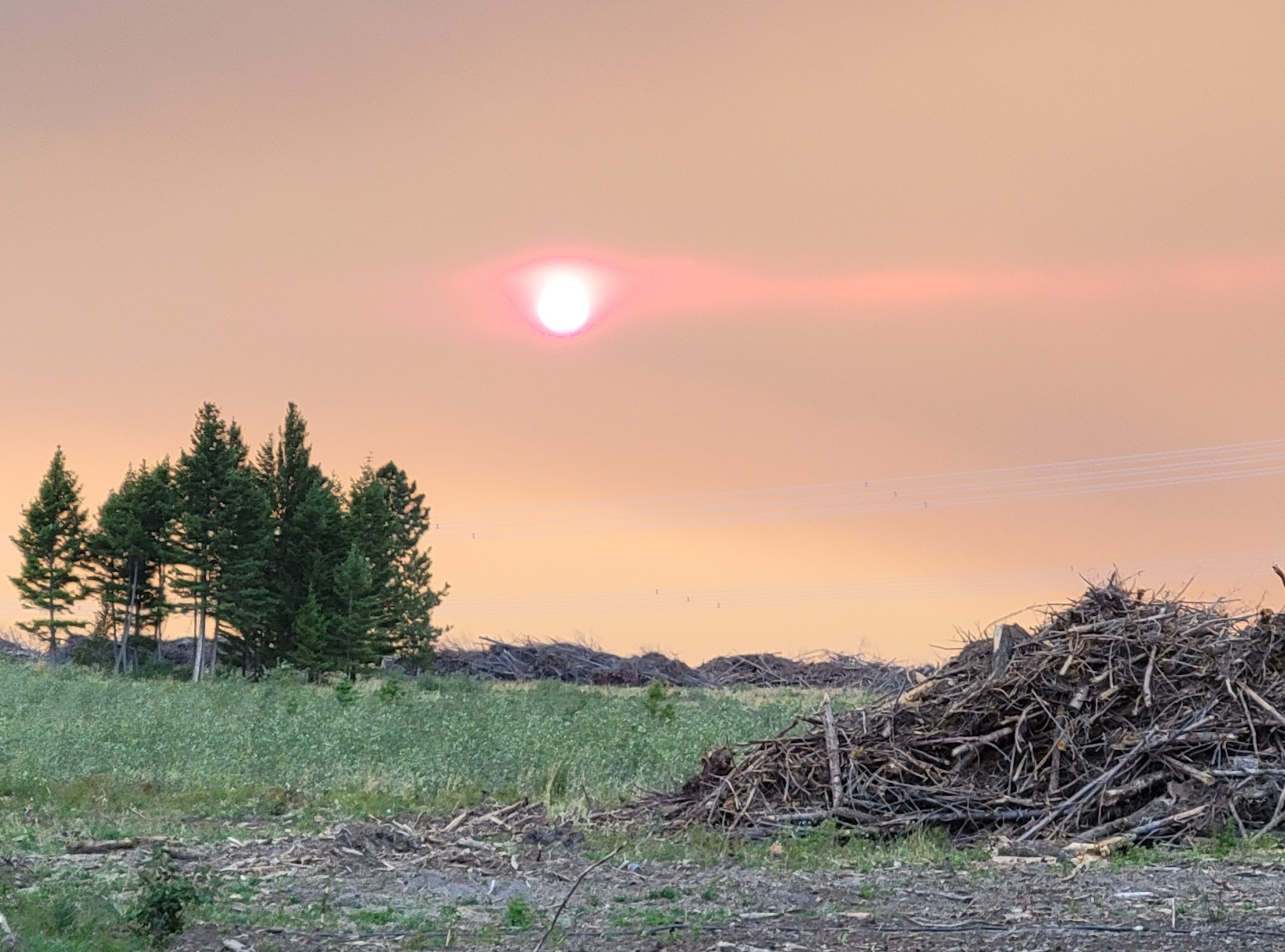
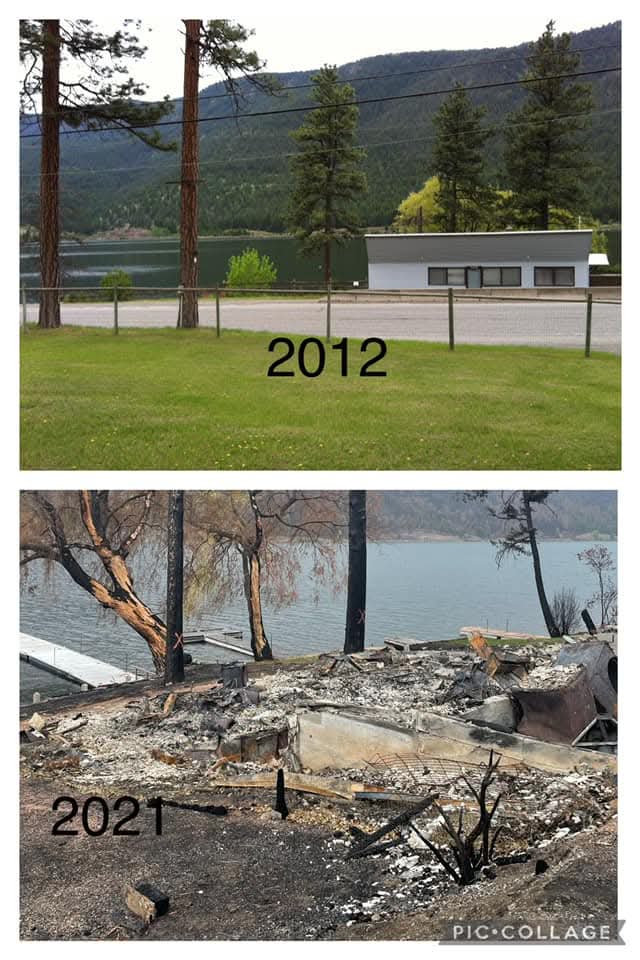
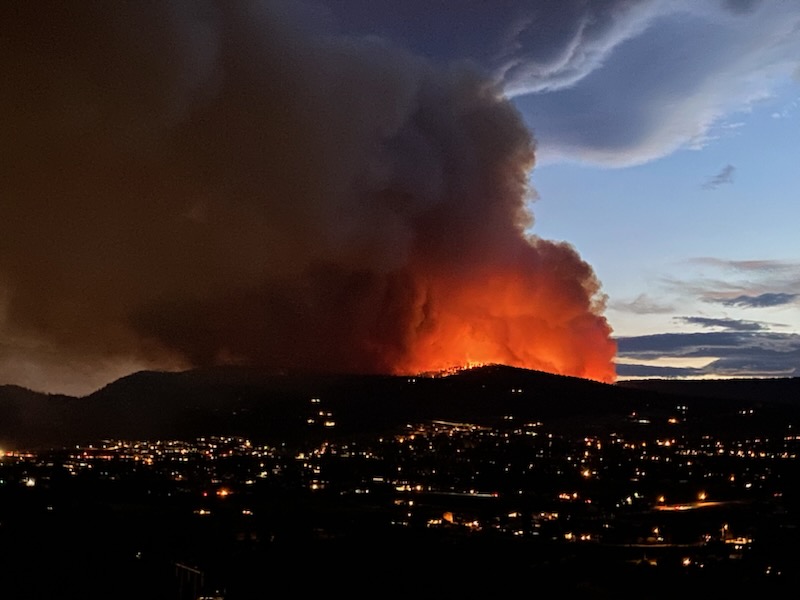
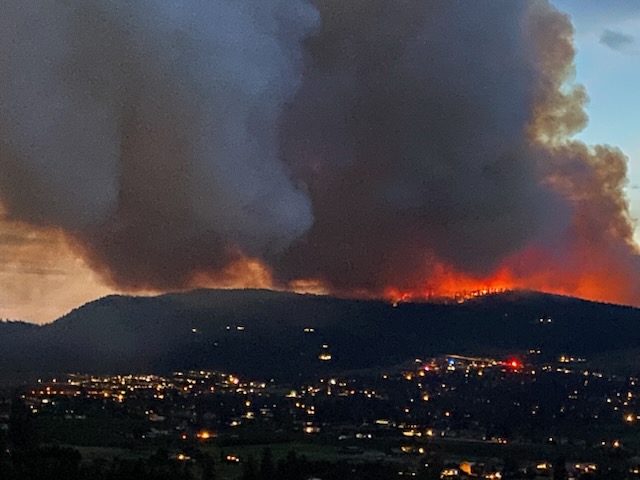
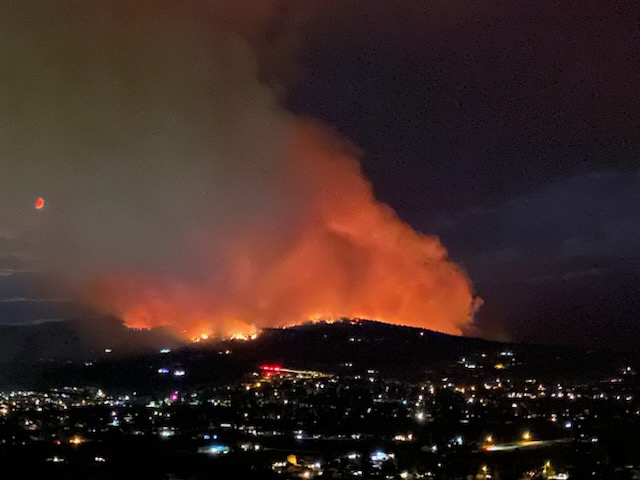
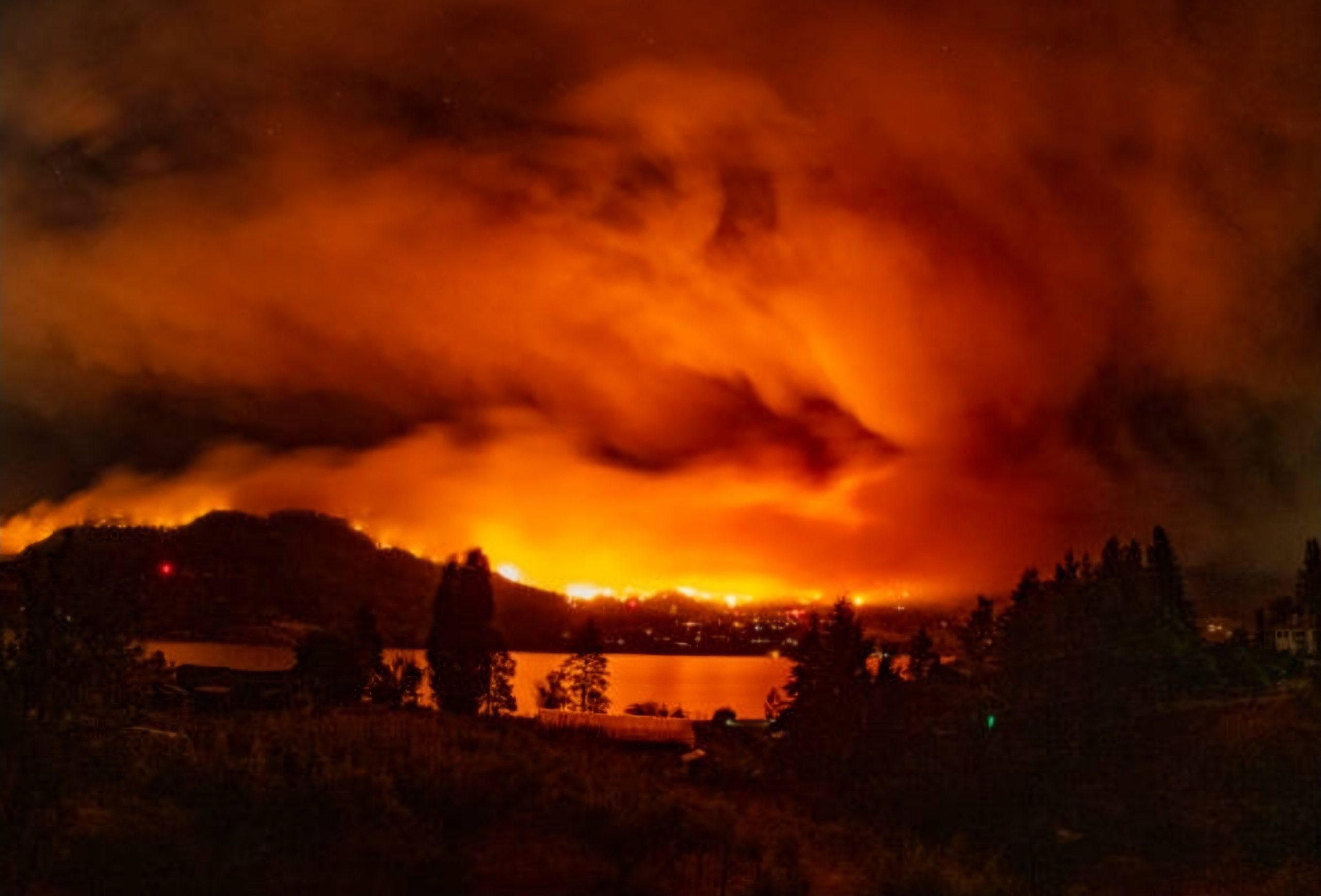
The roots of this mission go back to 2003, during the devastating Okanagan Mountain Park Fire in Kelowna, BC. Over 25,000 hectares were scorched, 239 homes were lost, and more than 27,000 residents were evacuated. One of the founders of National FireGuard lived on Black Mountain during that time and witnessed firsthand the chaos, fear, and heartbreak wildfire brings. Thick smoke choked the air for weeks. The sun disappeared behind a sky turned grey with ash. Families had only minutes to return home and collect what they could before evacuating—unsure if they’d ever return to what they left behind. As her family drove out of Kelowna, they watched back across Okanagan Lake as flames engulfed the hillside. Entire neighbourhoods—like the Okanagan Mission—were reduced to ruin. It left a lasting impression: the power of wildfire is overwhelming, and the sense of helplessness it creates is unforgettable.
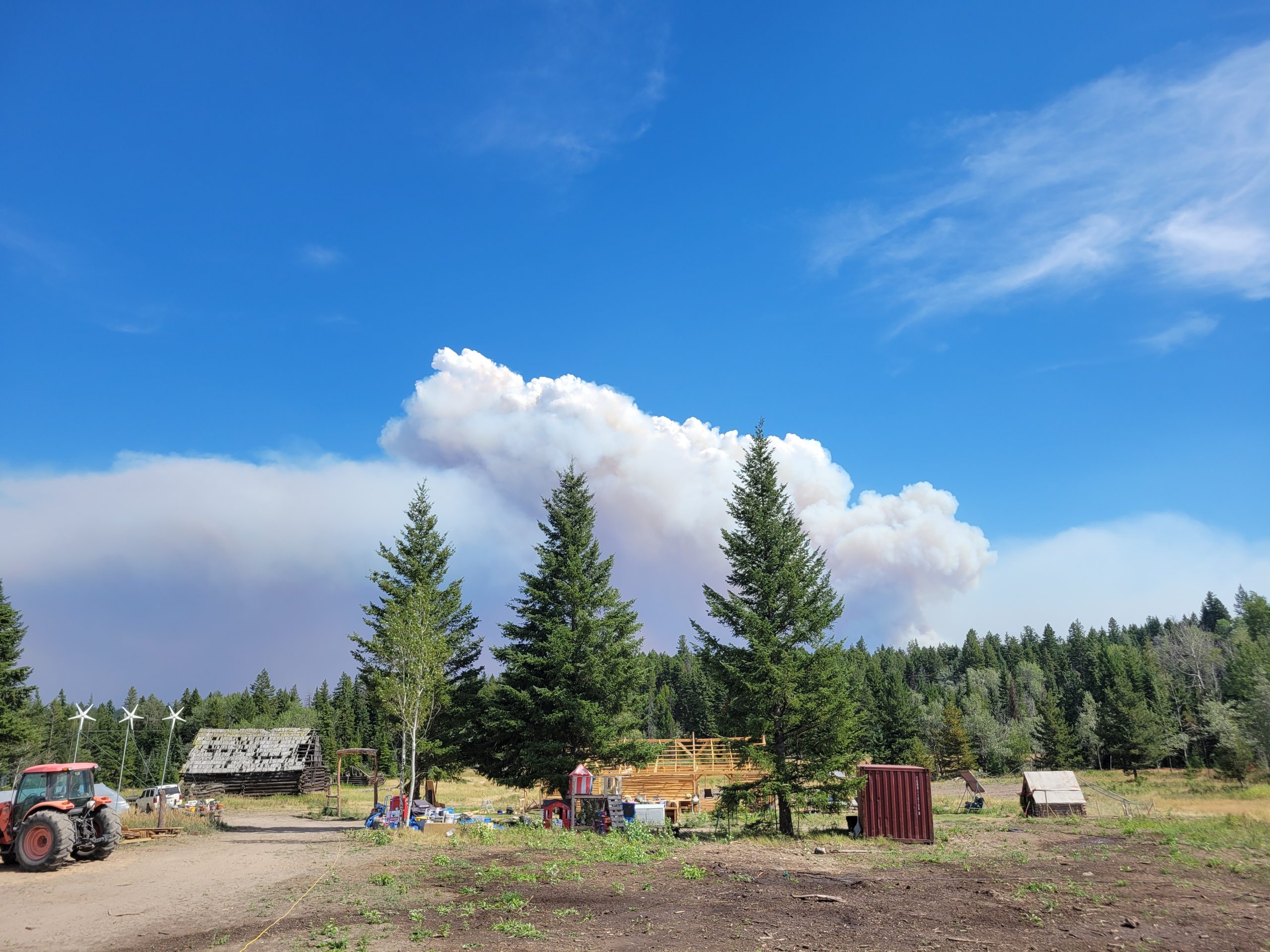
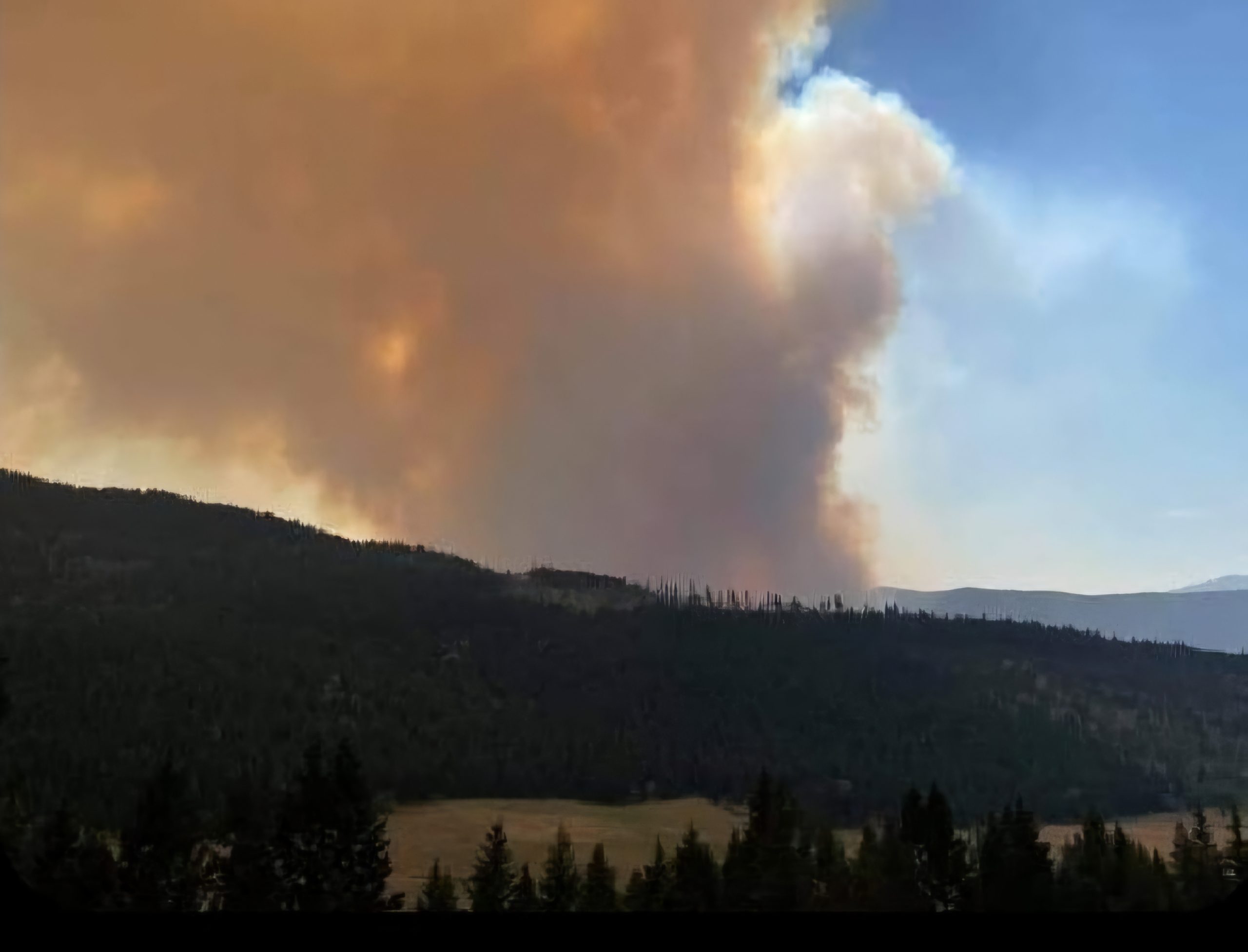
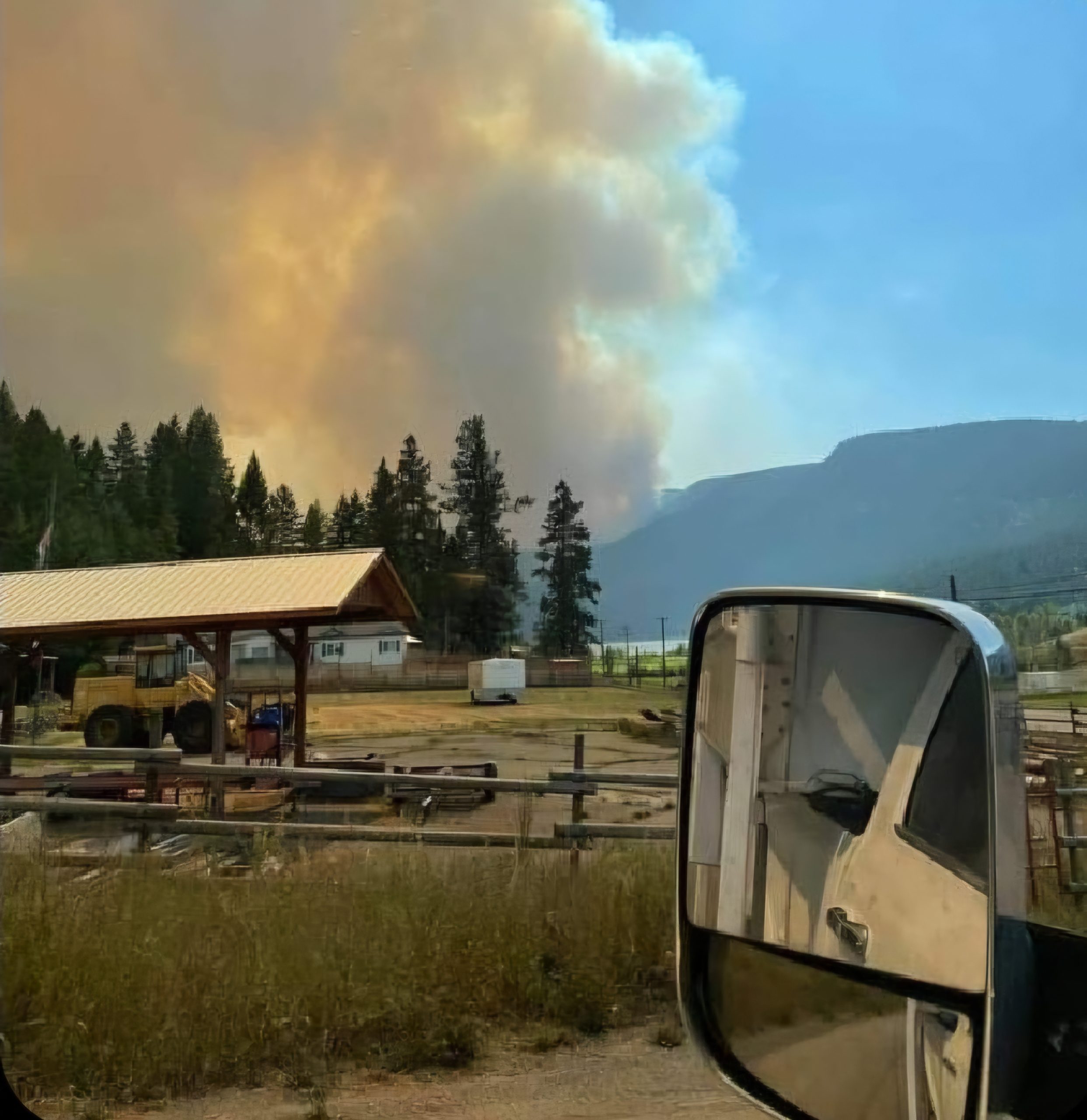
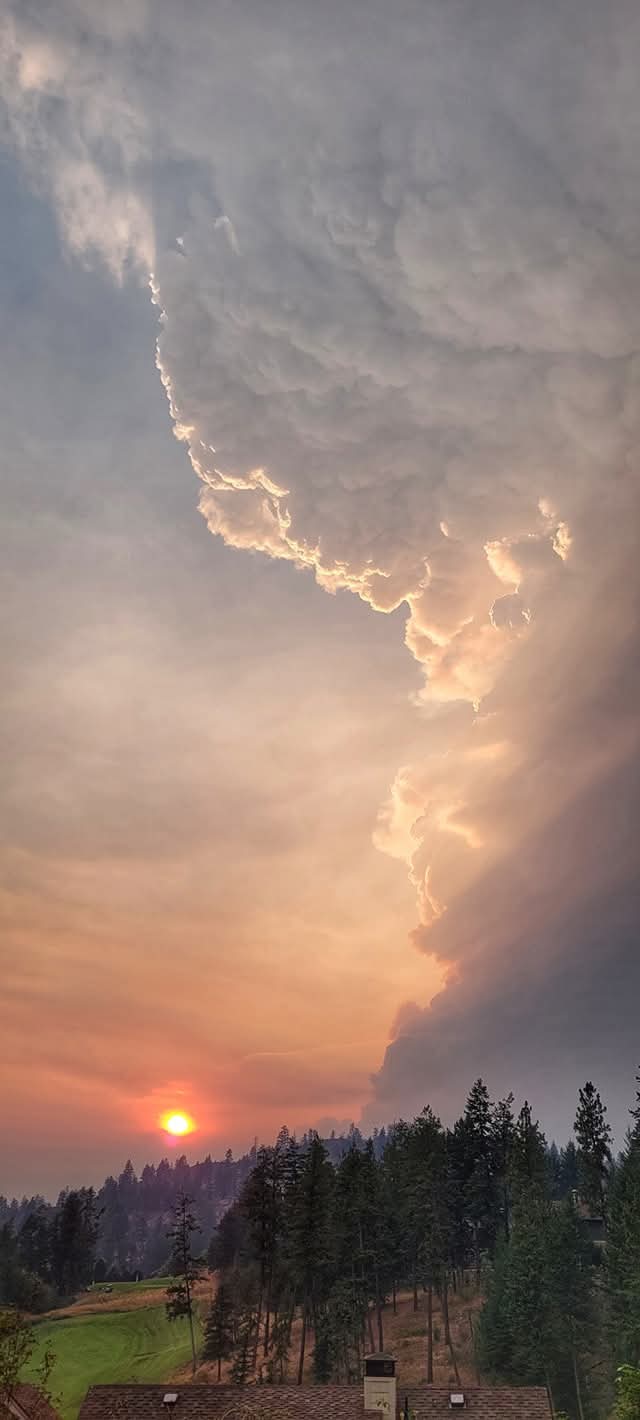
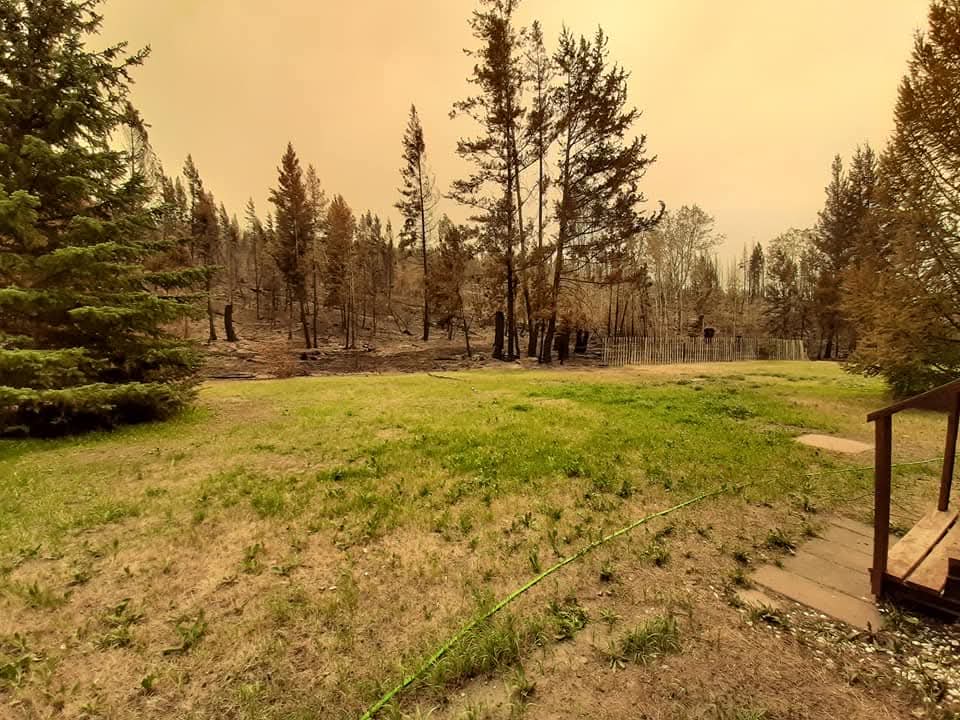
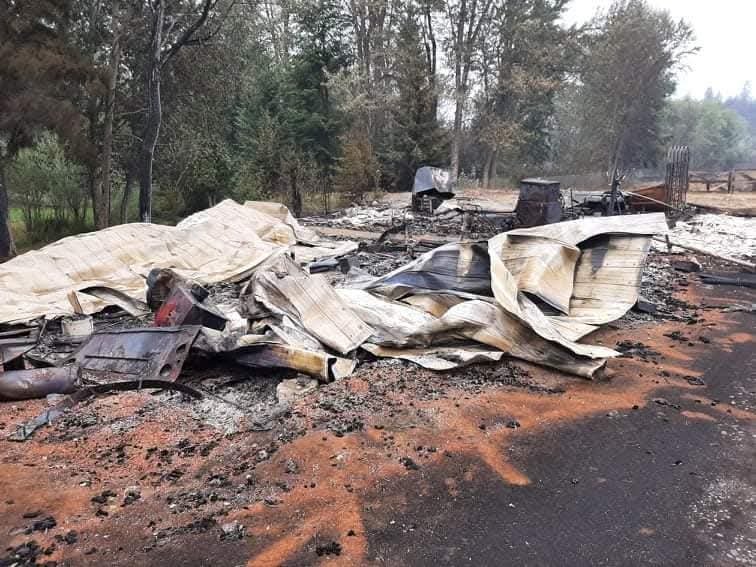
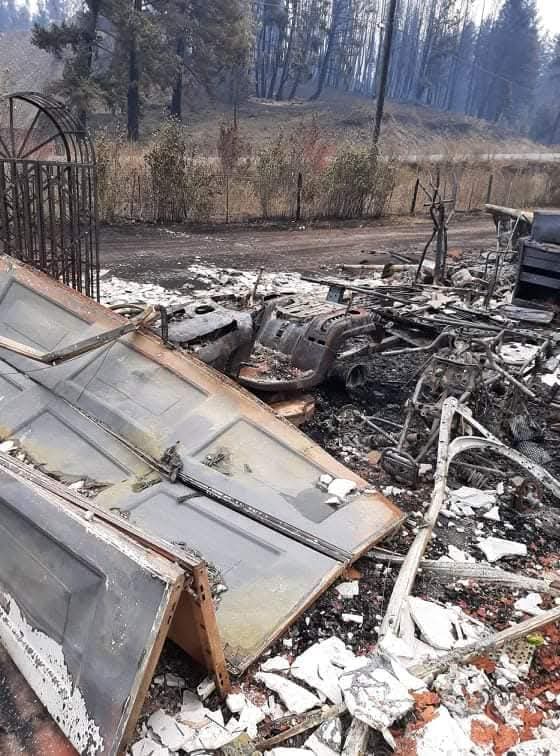
In 2021, during the White Rock Lake Fire, the devastation hit close to home. The fire tore through over 83,000 hectares, destroying more than 100 homesand structures, and completely leveling the majority of Monte Lake. The founders lived a short drive from there, on a mountainside rural property surrounded by forest and a tight-knit group of neighbours. As the fire advanced over several weeks, the sky grew darker and the smoke thicker. A towering column of smoke—what looked like an atomic mushroom cloud—loomed over the treetops, inching closer day by day.
Given the remote location and sparse population, the likelihood of receiving firefighting assistance was extremely low. The community understood they were on their own. With little more than hoses, water totes, and willpower, neighbours came together. They organized shifts to stay up through the night, especially during lightning storms, scanning the horizon for flare-ups and racing to extinguish any spot fires before they could spread. It wasn’t a coordinated fire response—it was survival.
After a couple of weeks, the moment everyone had dreaded arrived. At 11:30 p.m., a fire marshal raced up the founders’ long, gravel driveway with an urgent message: “You have to go—now.” There was no time for hesitation. The family quickly loaded their travel trailer and a flat-deck with whatever they could carry—memories, tools, and essentials—knowing it might be the last time they’d see their home. But even in that panic, they couldn’t just drive away. A new barn—freshly framed after months of hard work—stood vulnerable. Despite the smoke, the falling ash, and the fear, they climbed ladders into the night with nothing more than flashlights and hoses to place sprinklers on the rooftops of the barn and key buildings. It was a last-ditch effort, driven by instinct and hope—not professional gear, but an act of protection using whatever was on hand.
The evacuation lasted seven agonizing weeks. Each day brought more tension, more uncertainty. Community Facebook groups and discussion boards became the only sources of updates—posts filled with grief, fear, and mourning. Families who had lived in Monte Lake for generations lost everything overnight. Messages poured in from those trying to confirm whether their homes were still standing or gone. It was a heartbreaking, surreal stretch of time.
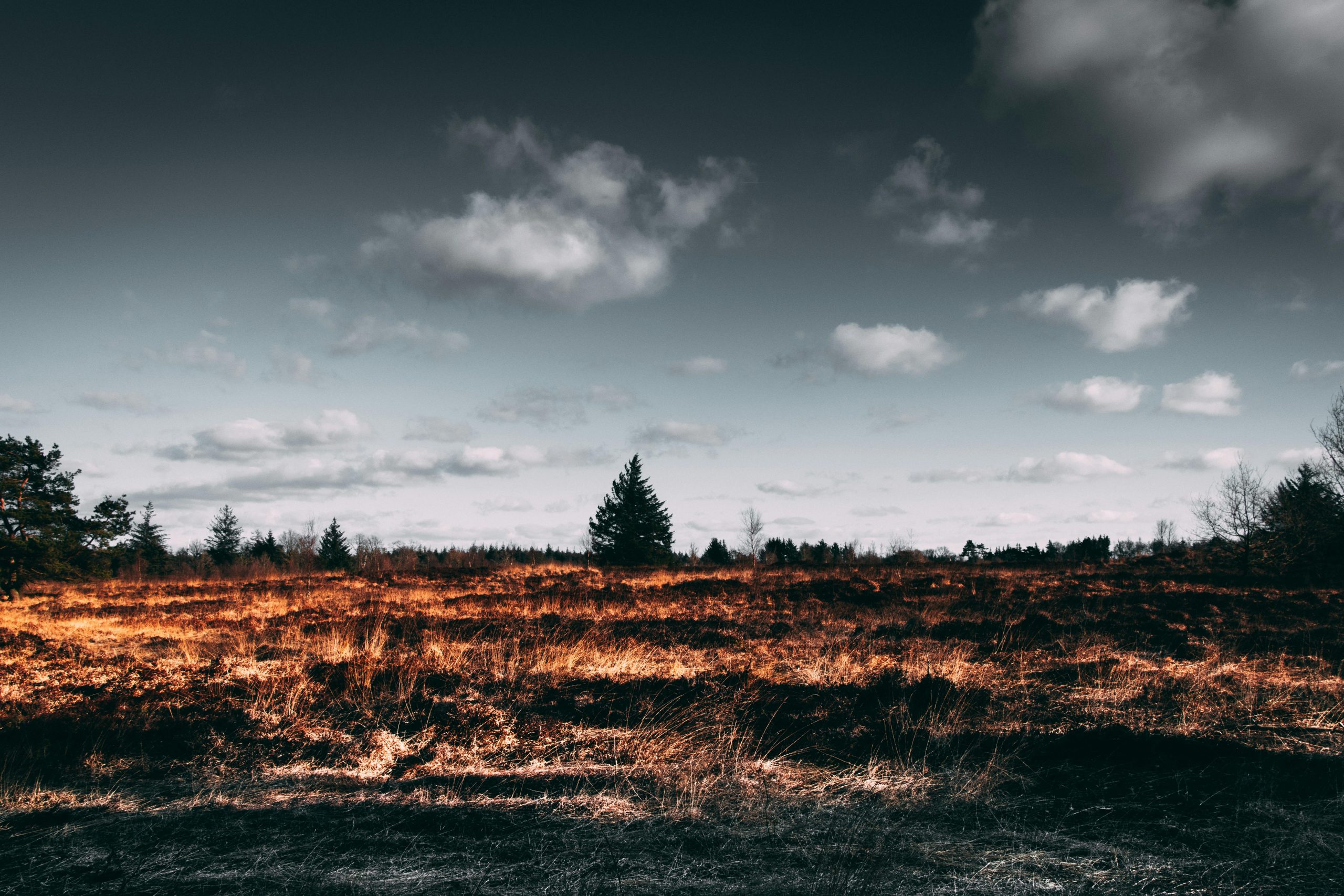
When the family was finally allowed to return, they drove the long, winding dirt road back to their property in near silence, holding their breath. What they found was nothing short of astonishing: everything was intact. Around their barn, the ground was wet and muddy. Their belongings—placed within the sprinkler’s reach—were soaked. While evidence of nearby spot fires dotted the landscape, no flames had touched the structures. The difference was unmistakable. The sprinklers had not been a guarantee, but they had bought precious time—and potentially saved everything. It was in that moment, standing in the silence of a smoke-stained landscape with their home still standing, that the idea for National FireGuard fully crystallized. If they had had a system like that installed ahead of time, how much panic could have been avoided? How many others could benefit from that same level of preparation?
That experience lit the fire behind National FireGuard —not in fear, but in determination to help others prepare before they’re forced to act in desperation.